




THEESEEDS Institute: Premier Psychoeducational and Behavioral Health Training for Public Health Professionals

THEESEEDS Institute is a Maryland Department of Health-accredited training institute offering MABPCB-aligned programs, DAST training, Certified Health Worker training, and education inclusive of the IC&RC 12 Core Functions — empowering the next generation of behavioral health professionals across Maryland and beyond.

Begin your journey toward becoming a Behavioral Health Professional.

THEESEEDS Institute is where your purpose, professional growth, and future in behavioral health begin. Whether you are entering the field for the first time, renewing your credentials, or advancing into specialized clinical practice — you belong here. This is your next step.

Maryland Department of Health

Recognized Training Institute

MABPCB-Aligned

Approved Continuing Education Provider

IC&RC 12 Core Functions

All 20 Courses Fully Mapped

Certified Health Worker Training

Community Health Worker Pathway

DAST Training Institute

Drug & Alcohol Screening Tools


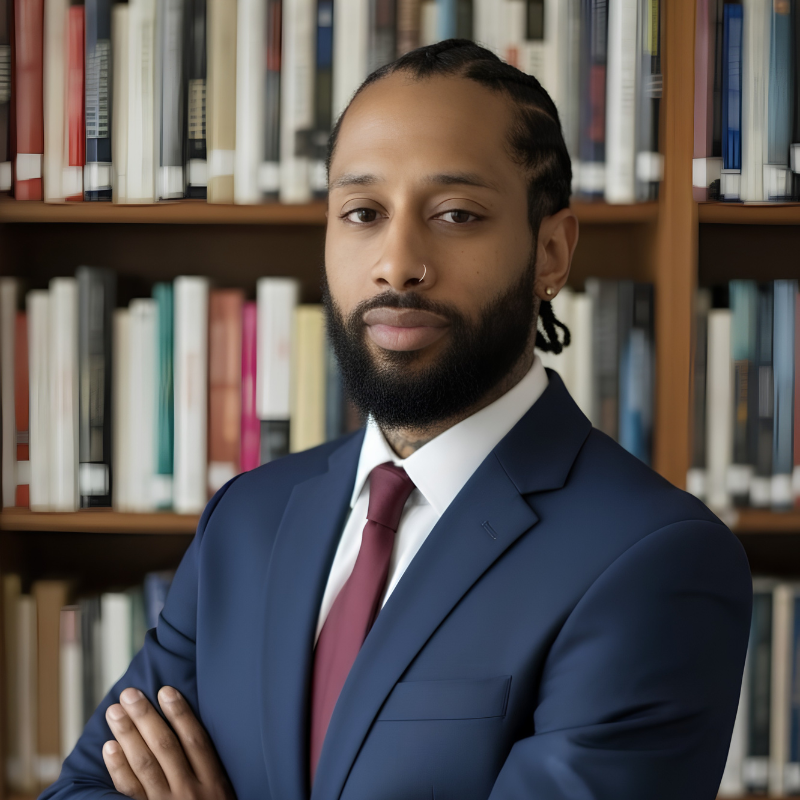
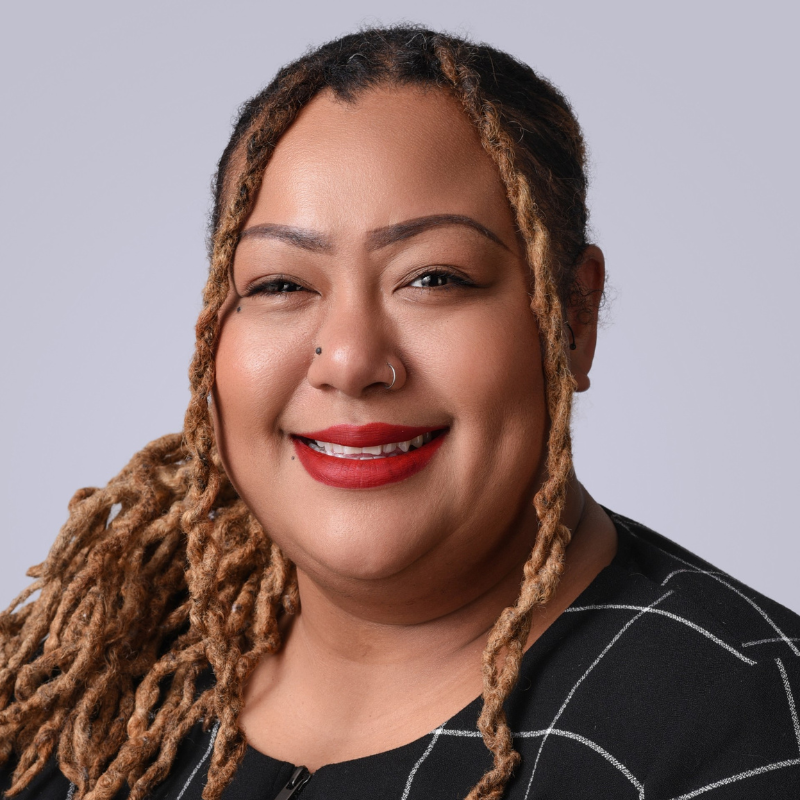
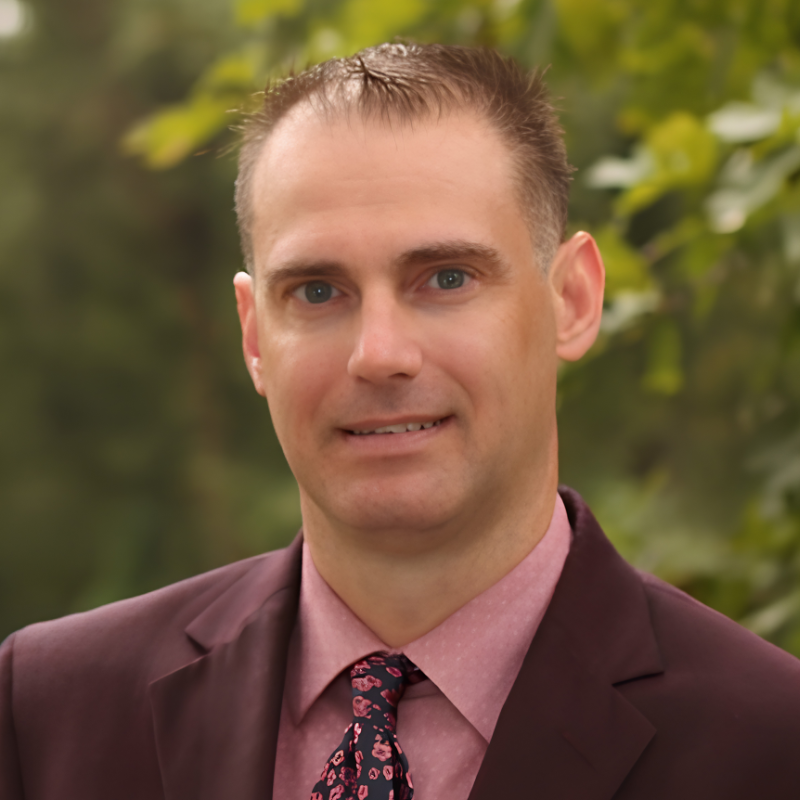
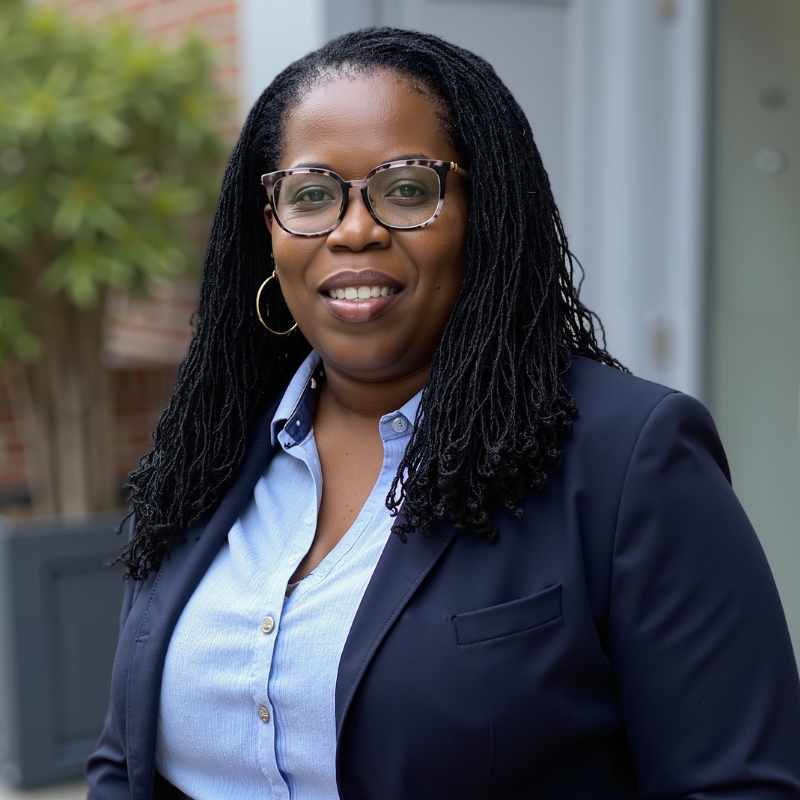
Facilitators

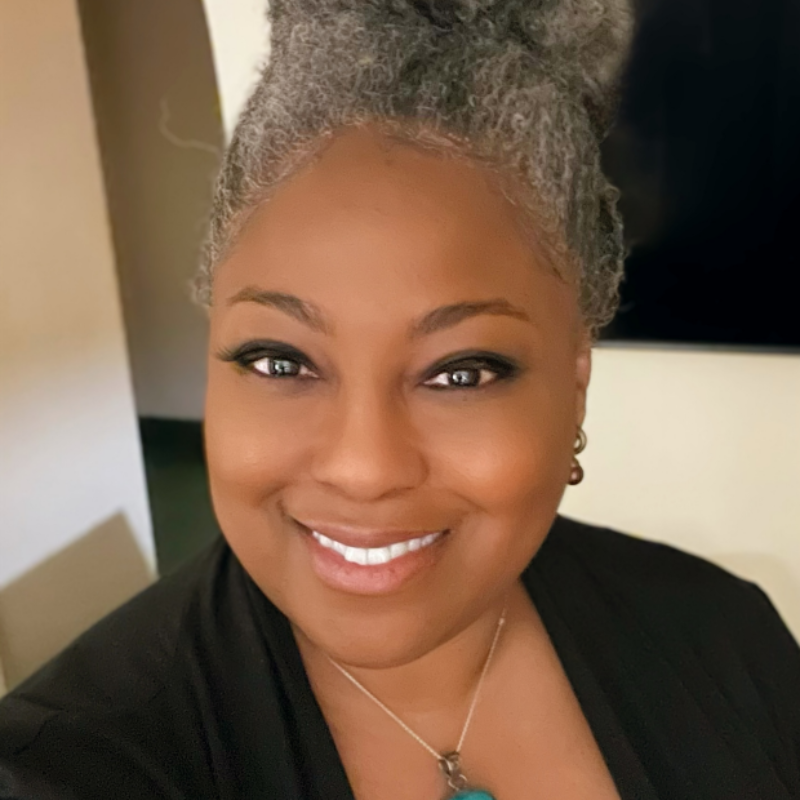
Dr. Teniola Akinwuntan, Ph.D.

Dr. Teniola Akinwuntan, Ph.D.

Founder, President & CEO of THEESEEDS Institute and Women of Valor Global Initiative | Clinical Director | Harvard T.H. Chan Global Public Health Leadership
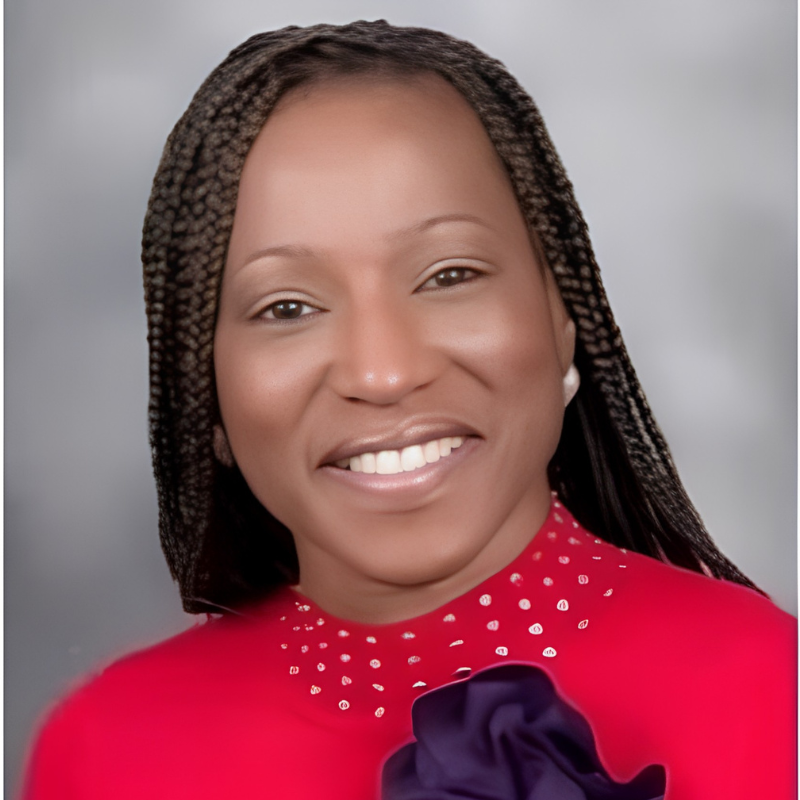
Catrice Greer

Catrice Greer

Behavioral Health Coach of THEESEEDS, Poet, Writer, Narrator, Host, Curator, and Producer.

Jocelyn Walters-Brannon

Jocelyn Walters-Brannon

Director of The Palmetto School of Protocol, Public Participation Coordinator, Training Facilitator
James Roman Butler Jr

James Roman Butler Jr

Program Manager, TheeSeeds Institute & The Women of Valor
Dr. Yemi Peter

Dr. Yemi Peter

Faculty Head of TheeSeeds, CEO of Advantage Network, Certified SAFe® 5 Scrum Master (SSM)


Latrice Jackson, LGPC

Latrice Jackson, LGPC

Behavioral Health Coach of THEESEEDS, Therapist, Trainer, Consultant

Donald Patti

Donald Patti

Training Facilitator, Cedar Point Consulting Trainer

Petula Alvaradous-Phillander

Petula Alvaradous-Phillander

Lead Faculty of THEESEEDS Institute Educator, Behavioral Health Specialist, and Community Leader


Asra Sarwar

Asra Sarwar

Behavioral Health Coach of THEESEEDS, Clinical Psychologist & Coach

Tyauna Bruce

Tyauna Bruce

Director of The Palmetto School of Protocol, Public Participation Coordinator, Training Facilitator

At THEESEEDS Institute, we stand as a recognized leader in psychoeducational and workforce development training, purposefully designed to strengthen the next generation of paraprofessionals, peer specialists, community health workers, and integrated behavioral health practitioners. Our programs bridge education and employment — equipping learners with practical competencies, micro-credentials, and certification pathways aligned with the Maryland Higher Education Commission (MHEC), Maryland Department of Health (MDH), and MABPCB standards.Rooted in equity, accessibility, and excellence, THEESEEDS is committed to expanding opportunity across all communities. Through a structured sliding-scale model and inclusive enrollment pathways, we ensure that financial barriers never limit access to high-quality, trauma-informed, and culturally responsive training. Every learner is supported through flexible payment options and a system designed to promote completion, certification, and career mobility.

Professional Behavioral Health Training Spanning the Full Spectrum of Behavioral Health Practice
2,000+ Hours

Since 2022, THEESEEDS Institute has delivered comprehensive psychoeducational training across every dimension of the behavioral health spectrum. Our programs are organized into 20 MABPCB-approved core courses, 10 focused elective courses, and the year-long Trauma Recovery Informed Care (TRC) monthly program — together representing over 2,000 hours of accessible, competency-based professional education designed for the realities of today’s behavioral health workforce.


CORE TRAINING PROGRAMS

20 Courses · 1,354 Total CEU Hours · MABPCB-Approved

Domain

Programs

CEU Hours

Peer Support

CPRS CORE Training · Integrated CPRS with Harm Reduction

46 / 50 CEUs

Substance Use

Addiction Recovery · Substance Abuse Prevention & Treatment

72 CEUs each

Crisis & Safety

Domestic Violence and Suicide Prevention

72 CEUs

Clinical Practice

Trauma Recovery · Behavioral Health Technician · MH Rehab Technician

72 CEUs each

Mental Health

Mind Control · Managing Anxiety · OCD & Anxiety · Depressive Disorder Recovery · Focus Depression Recovery

72 CEUs each

Behavioral Health

Behavioral Decision Making · Anger Management

72 CEUs each

Wellness

Wellness Dimensional Training

72 CEUs

Public Health

Public Health Development Studies · Community Health Worker Training

72 CEUs each

Support Services

Direct Support Professional

72 CEUs

Inclusion

Disability Awareness and Inclusion Training

72 CEUs

Specialized

Alzheimer’s Disease and Related Dementias (ADRD)

72 CEUs

TRAUMA RECOVERY INFORMED CARE (TRC)

12-Month Monthly Program · 16 CEUs Per Month · $400 Per Month

A structured year-long continuing education journey through the full landscape of trauma-informed care — from self-awareness and attachment through policy advocacy, community leadership, and legacy. 192 total CEUs. Enter at any monthly module.

January

Building Self-Awareness — Rediscovering Identity Beyond Trauma

February

Navigating Relationships — Trust, Attachment, and Connection

March

Breaking Generational Patterns — Healing for Families and Communities

April

Speak Your Truth — Advocacy Basics for Personal Empowerment

May

Community Outreach — Destigmatizing Trauma Through Stories

June

Policy and Rights — Advocating for Systemic Change in Trauma Care

July

Trauma-Informed Education — Teaching Skills for Lifelong Learning

August

Empowerment Through Knowledge — Building Purpose and Vision

September

Measuring Progress — Tools for Self-Assessment and Growth

October

Ethical Practices in Trauma Support — Professional Responsibilities

November

Sustainable Program Design — Creating Lasting Community Impact

December

Leadership in Healing — Integrating Skills for Ongoing Empowerment

WHAT IS IC&RC?

Understanding IC&RC and the 12 Core Functions

The International Credentialing & Reciprocity Consortium (IC&RC) is the global standard-setting body for behavioral health credentialing. IC&RC-recognized credentials — including the Certified Peer Recovery Specialist (CPRS), Certified Alcohol and Drug Counselor (CADC), and related certifications — are honored in over 50 member jurisdictions across the United States, Canada, and internationally.

IC&RC credentials are built on the 12 Core Functions — a research-validated framework that defines the essential professional competencies every behavioral health practitioner must demonstrate to deliver safe, effective, and ethical care.

The 12 Core Functions are:

Screening

Evaluating an individual's health and behavioral health status to determine whether further assessment and services are appropriate.

Intake

Completing the administrative and clinical process of formally admitting a person into a treatment or service program.

Orientation

Introducing the client to the program's goals, rules, services, rights, and their role in the process.

Assessment

Conducting a comprehensive evaluation of the individual's needs, strengths, history, and barriers to inform individualized treatment planning.

Case Management

Coordinating and connecting individuals to the full spectrum of services and community resources they need to achieve their goals.

Referral

Identifying when a client's needs extend beyond the current program and facilitating a warm, coordinated handoff to appropriate external services.

Treatment Planning

Developing a person-centered, goal-oriented plan that addresses the client's identified needs through measurable objectives and evidence-based interventions.

Crisis Intervention

Responding immediately and effectively to acute distress, conducting risk assessments, implementing safety plans, and providing stabilizing follow-up.

Report and Recordkeeping

Documenting all clinical interactions, progress notes, incident reports, and outcomes in compliance with regulatory, ethical, and organizational standards.

Counseling

Applying therapeutic techniques to support behavioral change, emotional processing, skill development, and sustained recovery.

Client Education

Providing structured psychoeducational content that empowers clients with knowledge and skills to understand and manage their conditions and support their recovery.

Consultation

Engaging in interdisciplinary collaboration, clinical supervision, case conferencing, and professional consultation to enhance the quality and safety of care.

CAREER PATHWAYS — WHAT GRADUATES DO AFTER THEESEEDS